Karrika, Kezako, Boga Boga: What Basque Shop Names Are Doing on the Rue Gambetta
Three shopfronts on one stretch of the rue Gambetta in Saint-Jean-de-Luz, and three completely different theories of what a shop should be called. Karrika sits under the corner arcade in big painted capitals. Kezako runs a purple awning halfway down the block. Boga Boga hangs a little signboard further along. Only one of those names could be moved to another town without breaking.
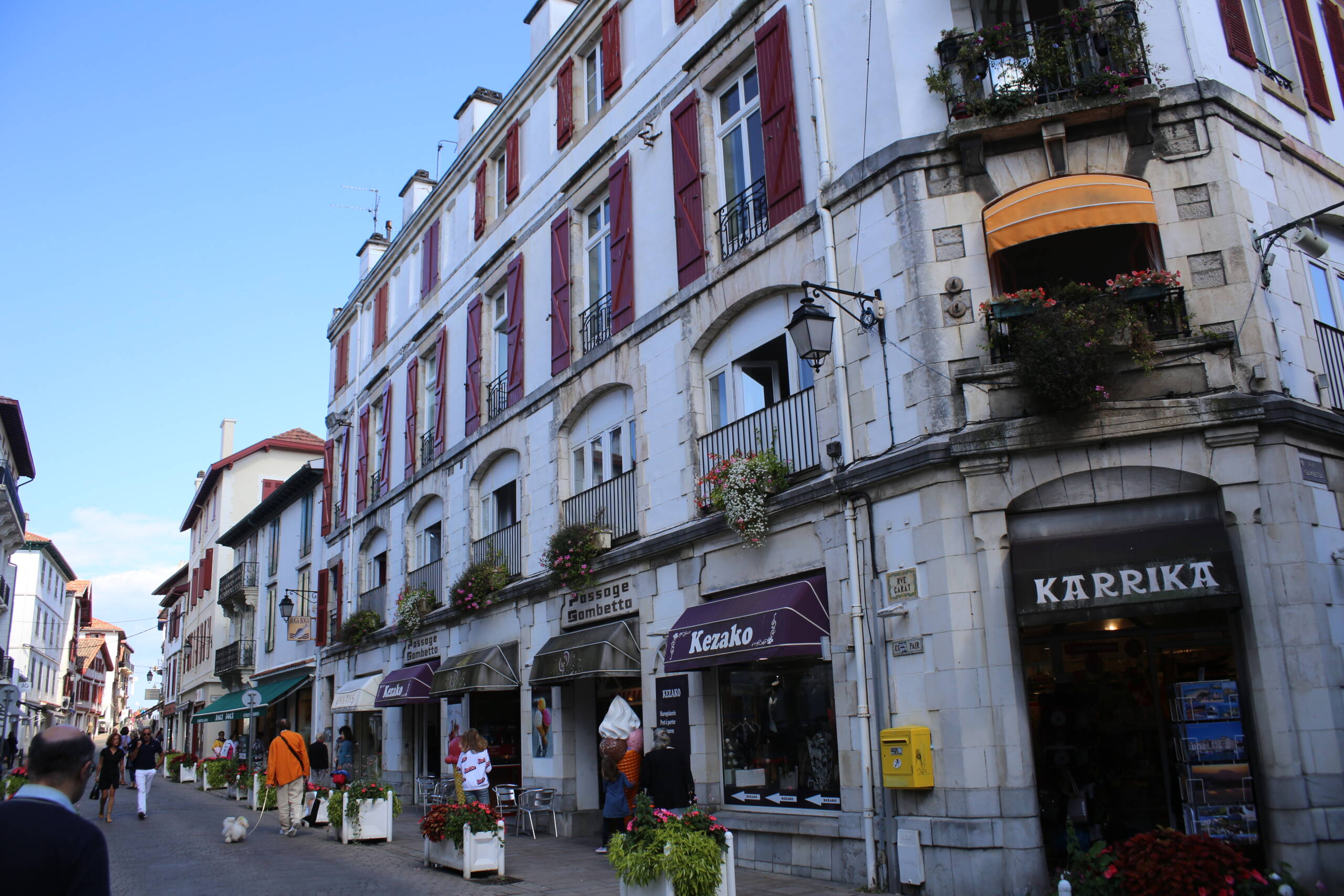
Karrika is Basque for street. Specifically it is the Labourdin and Navarrese word, the one used on this side of the border, rather than the more standard kalea. So the shop is called Street, in the local dialect, on a street, in the town where that dialect belongs. Boga Boga is the opening of a well known Basque song, the rowing one everybody’s grandmother knows. Kezako is French slang for what’s that, spelled the fun way, and it would work equally well in Lille.
That is the whole spectrum of provenance branding compressed into about eighty metres of pedestrianised retail.
The name as a moat
Independent retailers on tourist streets have one structural problem. They sell things a visitor could buy at home, in a place the visitor came a long way to be. Espadrilles, linen, macarons, a canvas tote. The margin does not sit in the product, it sits in the belief that buying it here means something.
A minority language solves that cheaply. Nobody has to explain what Karrika signals, because the visitor cannot read it, and the not-reading is the point. An unreadable name says the shop was here before you were, and will be after. Try naming a Paris concept store Karrika and the whole thing collapses into affectation.
This is also why the name resists chains. A brand built on a word only used across a strip of coastline and a few valleys has an obvious ceiling, and the ceiling is a feature. It keeps the category safe from the sort of operator who would open forty of them.
Where the ceiling actually is
The Basque commercial names that did scale mostly did it by attaching to a product with a legal definition rather than to a mood. Bayonne ham, Espelette pepper, the striped linen woven in the valley workshops, the confectioners in Saint-Jean-de-Luz and Bayonne who have been making macarons and gâteau basque since long before anyone used the word heritage in a marketing deck. Those names travel because the thing inside the bag is protected and specific.
A shop name in Basque without that anchor is doing something narrower and honest. It is not building an exportable brand. It is buying credibility for a street-level business from customers who will visit once, spend eighty euros, and want the receipt to feel like a souvenir.
What the rest of the frame is selling
Look past the signage and the street itself is running the same play, harder. Burgundy shutters against white render, that specific oxblood the Labourd houses use, geraniums on every balcony, the awnings colour-coordinated by nobody in particular. None of it is enforced by a single owner and all of it holds together. The yellow post box is the only object on the block that came from somewhere else.
A retailer moving into that corner inherits the whole apparatus for free. The rent is the price of the brand.
Which is the quiet lesson for anyone trying to build a name from nothing in a retail park. The Basque shopkeeper is not being clever. He is standing inside four hundred years of accumulated visual consistency and putting one word on the wall.
One local word, correctly spelled, is doing more work than most rebrands.